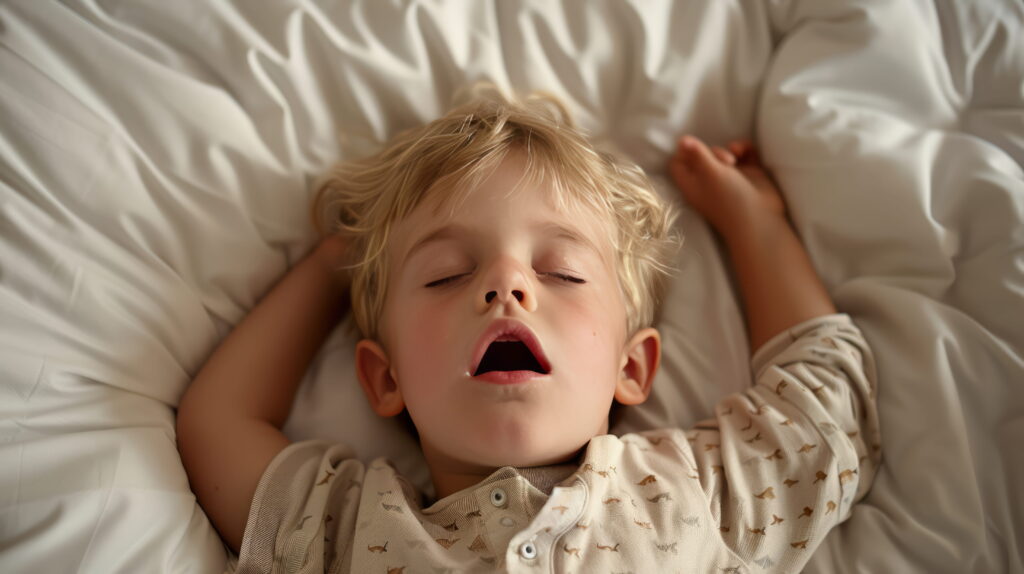
The occasional sound of a child’s soft snore is common and often endearing—a sign of a full day leading to deep, restorative sleep. But loud, persistent snoring can indicate underlying issues with a child’s airway or oral development that may affect breathing, sleep quality and long-term health. In short, it should never be ignored.
What causes children to snore?
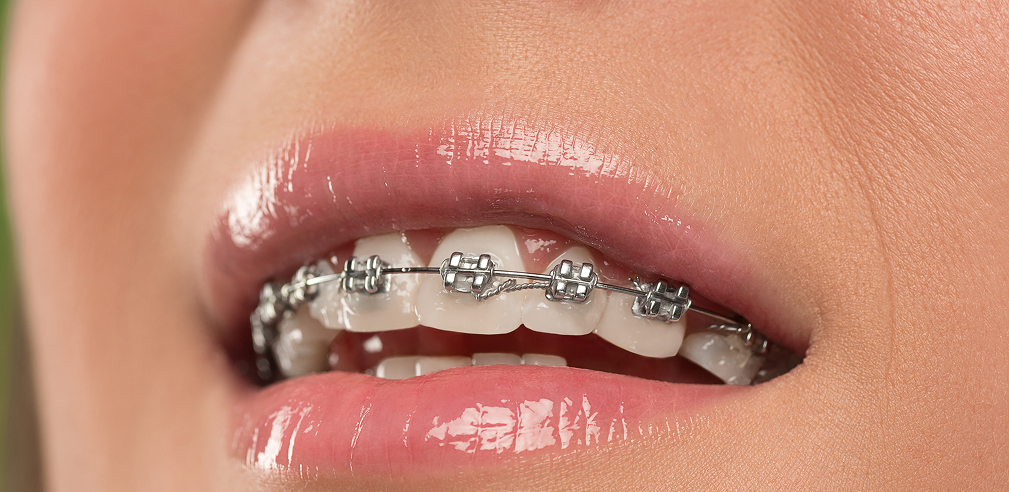
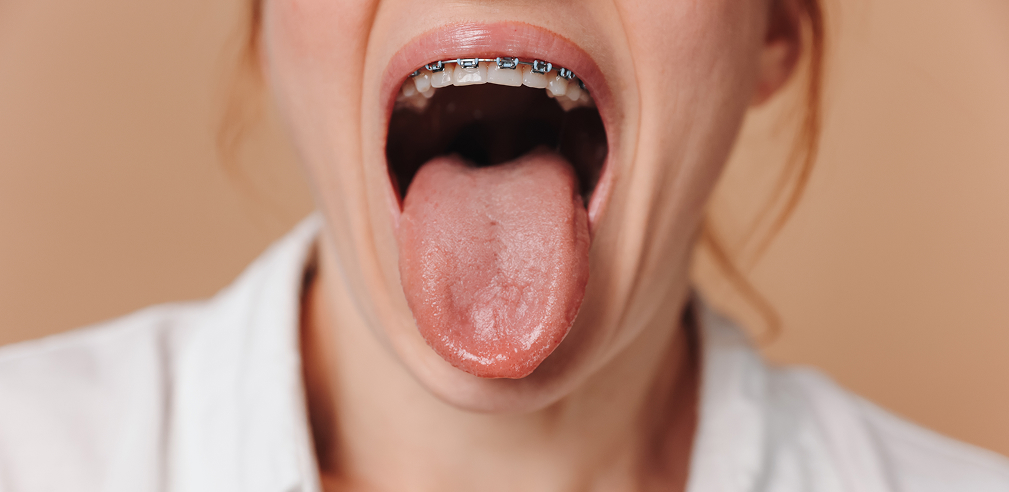
Snoring is caused by an airflow blockage during sleep, often due to relaxed throat muscles, enlarged tonsils or a narrow airway. In children, additional factors such as mouth breathing, a misaligned jaw or a condition called “tongue tie” can also play a role. These structural imbalances affect how air moves through the nose and throat—especially at night, when the body fully relaxes, resulting in heavy snoring.
Sleep-disordered breathing in children
One key concern is sleep-disordered breathing (SDB), a spectrum of conditions that includes snoring and more serious disruptions such as pediatric obstructive sleep apnea (OSA). Studies estimate 1 to 5 percent of children experience OSA, which can lead to poor sleep quality, behavioral issues, difficulty concentrating and delayed growth.
For parents who recognize that snoring is more than a harmless sound, identifying the root cause can be challenging. Many don’t realize the issue may be anatomical. That’s where biological dentistry can provide valuable answers.
Glossodontics® can help parents to address childhood snoring
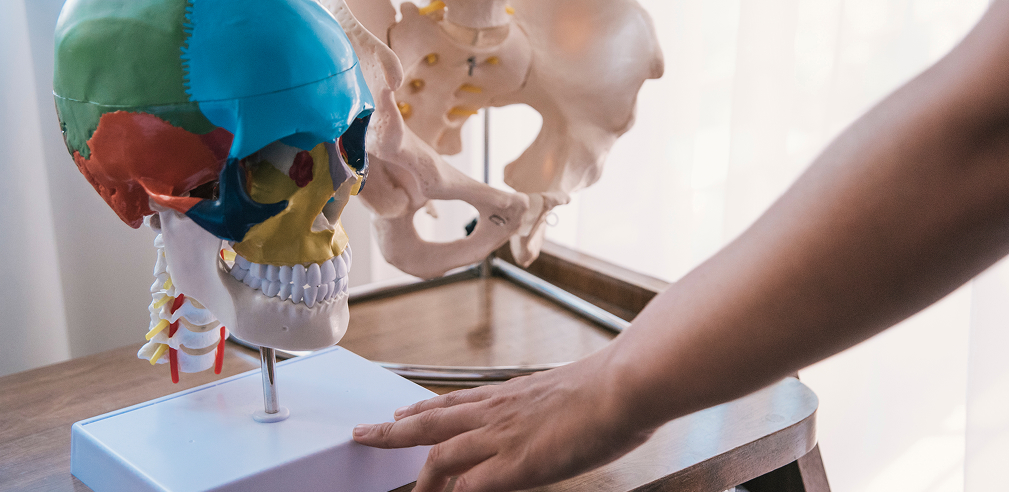
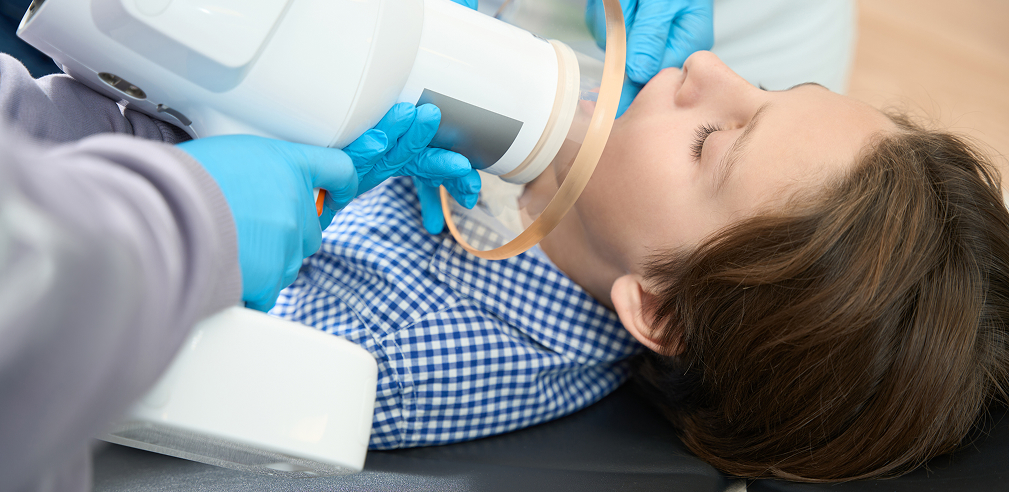
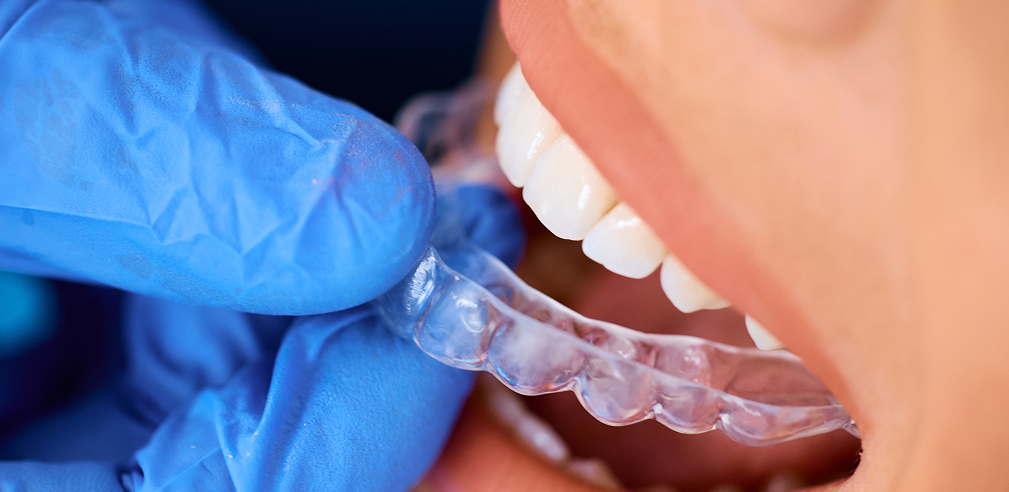
The Glossodontics® method identifies and treats the root causes of snoring in children by assessing the orofacial complex, including the tongue, jaw and airway. A complete anatomical evaluation with airway imaging can reveal structural issues that may be resolved through myofunctional therapy and other gentle, noninvasive treatments.
Every parent knows the domino effect a bad night’s sleep can have on a child’s entire day. In our experience, resolving childhood snoring often leads to better sleep, increased energy, improved focus and greater emotional regulation.
Consider The Glossodontics functional dental evaluation.
If your child snores regularly, struggles with focus or seems constantly tired, it may be time for a functional dental evaluation. Snoring isn’t just a sound—it’s a sign. With the right approach, you can help your child breathe better, sleep more deeply and grow healthier.