Airway health may not be the first thing parents think about when it comes to their child’s wellbeing. However, breathing problems – especially during sleep – can affect nearly every aspect of a child’s life, from learning and behavior to emotional balance and physical growth.
What makes these issues particularly challenging is that children often can’t describe what they are feeling. They may simply appear tired, irritable or inattentive, leaving parents and even teachers to wonder if something else is wrong.
The truth is, airway dysfunction in kids is more common than many realize. Studies suggest that anywhere from 2 to 5 percent of children experience obstructive sleep apnea (OSA), while up to 20 percent show signs of sleep-disordered breathing. Left untreated, these problems can affect not just sleep quality but long-term health outcomes.
Recognizing the signs early and knowing what to do gives children the best chance to grow, learn and thrive.
What you should look for
The most obvious clues often show up at night. A child who snores regularly — not just when they have a cold — may already be struggling with restricted airflow. Mouth breathing during sleep, frequent tossing and turning, night sweats or teeth grinding are other red flags. These behaviors can be the body’s way of compensating for inadequate oxygen intake.
But airway issues don’t stop at bedtime. During the day, children may display fatigue, irritability or trouble concentrating. In some cases, hyperactivity is a response to poor sleep, which is why sleep-disordered breathing is sometimes mistaken for ADHD. Teachers may report a child who can’t sit still or struggles with focus when the underlying issue is fatigue.
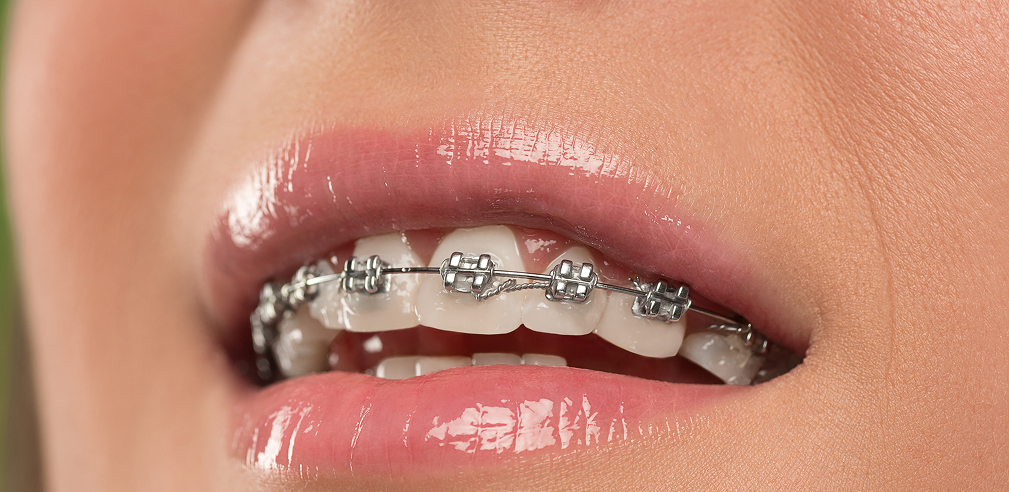
Anatomical signs can also point to potential airway dysfunction. A narrow palate or jaw, visibly crowded teeth, enlarged tonsils or a tongue that doesn’t rest comfortably against the roof of the mouth can all contribute to restricted airflow. Habitual open-mouth chewing and difficulty breathing through the nose are two other signs worth noting.
No single symptom is conclusive on its own, but a parent who notices a combination of two or more of these should follow up with their pediatrician and dentist.
Why do airway issues matter
Airway dysfunction is not just a matter of disrupted sleep. When breathing is compromised – even for a moment – the body and brain receive less oxygen. For children, these interruptions can have serious consequences.
One concern is obstructive sleep apnea (OSA). This is when the airway collapses during sleep, forcing the body to wake repeatedly — sometimes hundreds of times in a single night — just to breathe. These awakenings are so brief a child usually isn’t even aware of them, but they disrupt sleep and prevent the deep, restorative cycles that are essential to memory, growth and emotional regulation.
Over time, untreated airway issues can strain the heart and cardiovascular system, affect growth hormones released during sleep and contribute to behavioral challenges. Some studies link pediatric sleep-disordered breathing to lower academic performance and difficulties with executive functioning.
What looks like moodiness or inattentiveness may actually just be the result of a child’s body fighting for oxygen at night.
For families, the effects extend beyond the child. Parents may notice their own sleep disrupted by a child’s snoring or restlessness. Siblings who share a room may struggle, too. The stress of wondering why your child is always tired, or why they’re falling behind in school, can take a toll on the entire household.
The causes of airway dysfunction
The reasons children struggle with airway issues are rarely simple. Enlarged tonsils and adenoids are common contributors, but the structure of a child’s face and jaw also plays a role.
A narrow palate, crowded teeth or a jaw that develops too small for the tongue can all reduce the space available for healthy breathing. Sometimes a tongue-tie prevents the tongue from resting properly against the roof of the mouth, further compromising the airway.
Chronic allergies, nasal congestion or exposure to irritants may narrow breathing passages. Obesity, though less common in young children, is another risk factor. Daily habits matter, too. Children who breathe through their mouths instead of their noses may reinforce poor growth patterns over time, perpetuating a cycle of dysfunction.
Because so many factors may contribute to airway issues, and in many varied combinations, it is important for parents to avoid assuming the cause. A professional evaluation helps distinguish between temporary issues like allergies and structural concerns that require serious intervention.
The path to an accurate diagnosis
For many families, the journey begins with a routine pediatrician visit. Parents may mention that their child snores most nights, grinds their teeth or wakes up tired despite a full night’s rest. The pediatrician will often begin by asking about sleep routines, daytime behavior and family history, while also examining the tonsils and adenoids for enlargement.
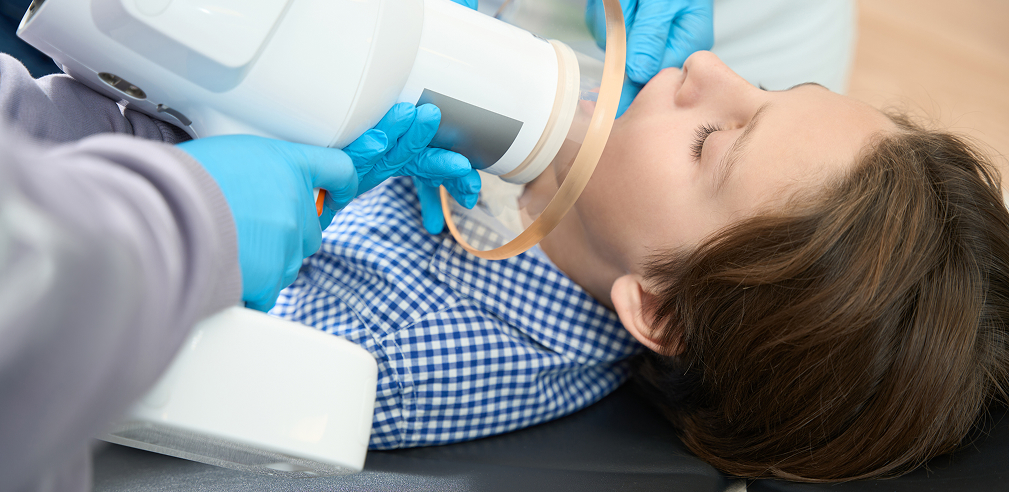
A referral to an ear, nose and throat (ENT) specialist is common. ENTs are trained to assess nasal passages, throat structures and tissue growth that may be limiting airflow. In some cases, they may recommend a sleep study. Known as polysomnography, this overnight evaluation records breathing, oxygen levels, brain waves, and heart rate to measure how often and how severely the airway is blocked.
Dentists also play a crucial role. Because they routinely monitor jaw development, bite patterns and palate width, they are in a unique position to notice airway concerns early. At Glossodontics®, this evaluation goes a step further, with a focus on how the tongue, jaws and airway interact as a system. This whole-health approach can reveal underlying causes that standard medical exams sometimes overlook.
How to treat airway issues in children
Fortunately, airway issues in children are highly treatable, especially when identified early. Depending on the cause and severity, options may include:
- Orthodontic expansion: Devices that widen the palate or guide jaw growth can increase airway space and improve breathing.
- Myofunctional therapy: Exercises that strengthen tongue and facial muscles, retrain posture and promote nasal breathing can address functional contributors.
- Lifestyle adjustments: Treating allergies, encouraging healthy sleep hygiene, maintaining a balanced diet and reducing exposure to irritants all support better airway health.
The key is early, personalized intervention. What works for one child may not be appropriate for another, which is why collaboration between pediatricians, ENTs and dental specialists is critical.
The role of holistic dentistry
Dentists have a unique window into airway health. Because they regularly examine a child’s mouth, jaw and bite, they can spot developmental patterns that may signal restricted airflow. At Glossodontics®, this view goes even further.
Our approach evaluates the entire orofacial system as one interconnected structure. We look at how the tongue rests and moves, how jaw sections align, and how the airway functions during rest and activity. This comprehensive perspective can reveal underlying issues that might otherwise remain hidden.
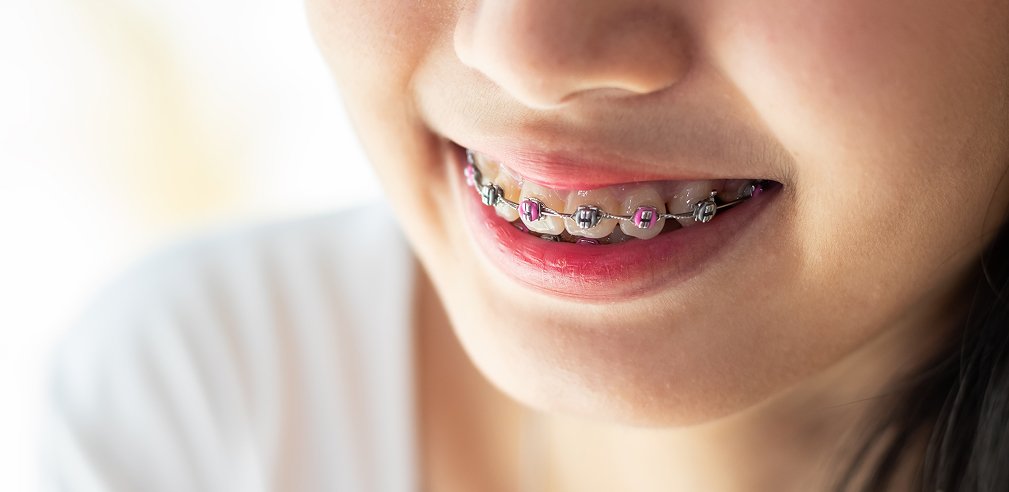
For example, a child with crowded teeth may not just need braces; the crowding may reflect a jaw that developed too narrowly, reducing airway space. Addressing the root cause through expansion or myofunctional therapy not only creates room for teeth, but also promotes healthier breathing.
The Glossodontics team collaborates closely with other healthcare professionals, ensuring that treatment plans are integrative rather than isolated. For families, this means fewer unanswered questions and a clearer path forward.
What parents can do at home
While professional evaluation is essential, parents play a vital role in recognizing and supporting their child’s airway health.
A checklist for observation:
- Does your child snore more than three nights a week?
- Do they breathe primarily through their mouth?
- Are they often restless or sweaty during sleep?
- Do they show signs of fatigue, irritability or poor focus during the day?
- Do you notice crowded teeth, a narrow jaw or enlarged tonsils?
Keeping a log of these observations — and even recording snippets of nighttime breathing — can provide doctors with valuable information.
At home, parents can also encourage healthy routines: establish consistent bedtimes, limit screen time before sleep and promote nasal breathing during the day. If allergies or congestion are an issue, managing triggers can make a noticeable difference.
Above all, trust your instincts. If something feels off about your child’s sleep or behavior, it is worth seeking an evaluation.
Airway issues in children are treatable
Airway health is central to a child’s ability to grow, learn and flourish. Left unaddressed, problems that start with snoring or mouth-breathing can ripple into academic struggles, emotional difficulties and even long-term health risks.
The good news is that with awareness and early intervention, most airway issues are treatable. By paying attention to the signs, pursuing professional evaluation and working with providers who take a whole-body approach, parents can ensure their children breathe easier, sleep better and thrive at every stage of development.