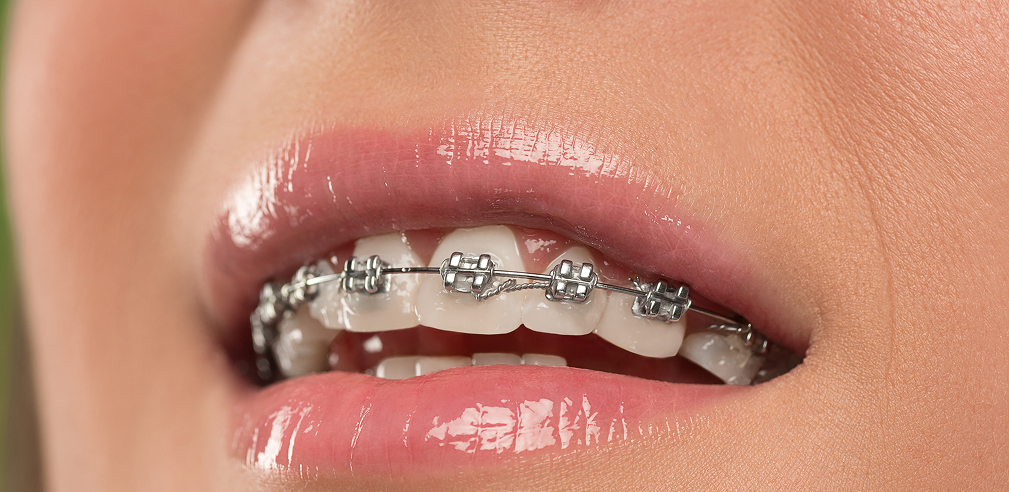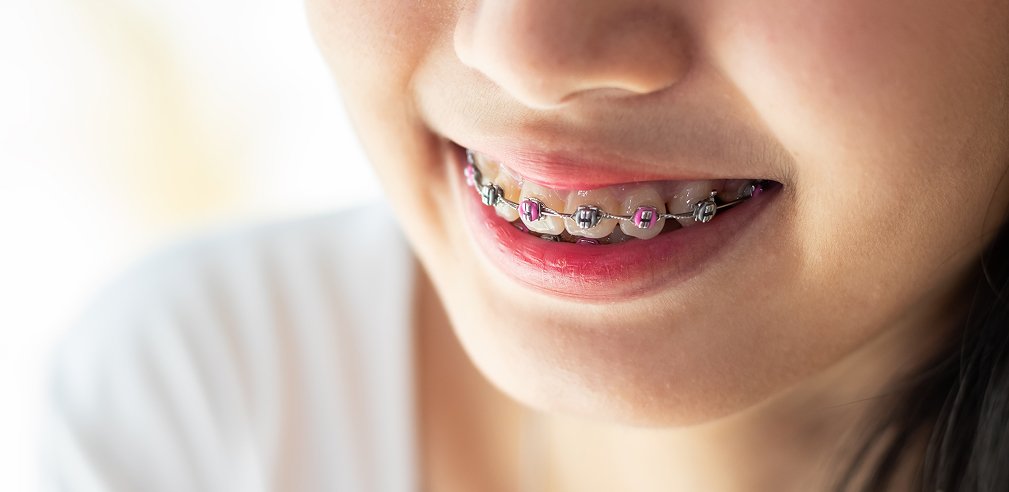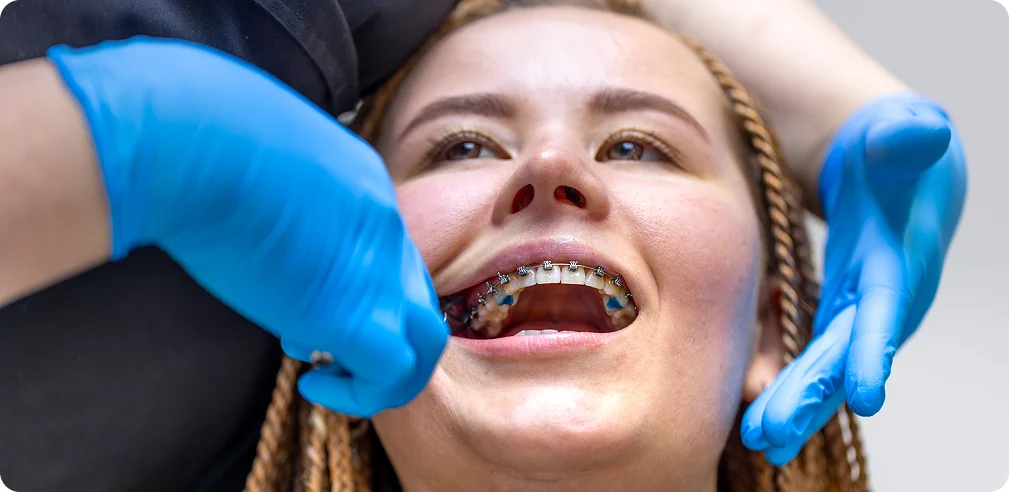
When most people think of orthodontics, they picture traditional metal braces. These fixed brackets and wires lay across the front of the teeth, bringing them into ideal alignment using progressive force.
However, a growing number of dental professionals are turning to a different solution, especially for younger patients: the ALF appliance. Short for Advanced Lightwire Functional, ALF therapy offers a radically different approach to alignment that focuses not just on teeth, but on the entire craniofacial system.
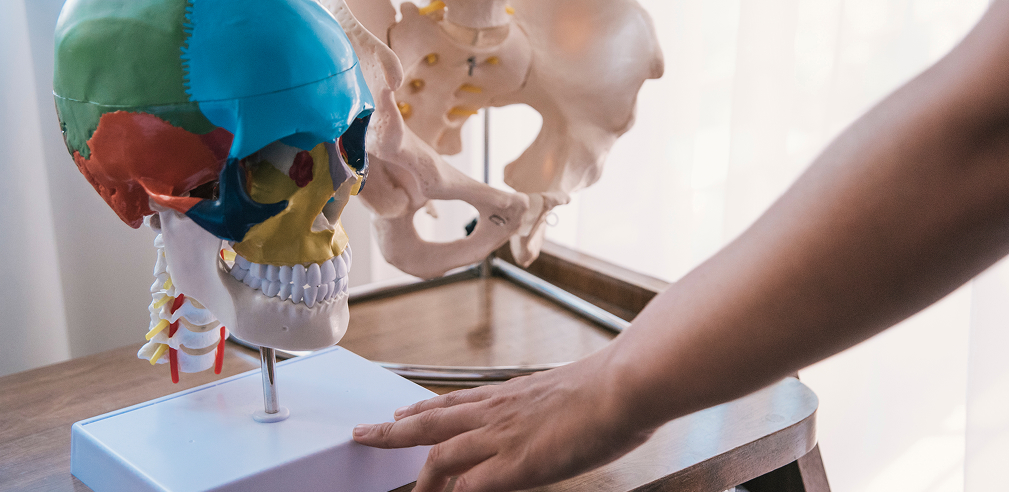
Traditional braces apply force to reposition teeth into a straighter smile. While highly effective for cosmetic improvements, braces don’t address the underlying structure of the jaw, palate or airway. In contrast, the ALF appliance uses light, flexible wires placed behind the teeth to gently encourage natural growth and alignment from the inside out. This makes ALF not just more holistically effective, but more cosmetically discreet.
Another key difference is intent. Braces focus on appearance; ALF focuses on function. ALF therapy works with the body’s natural movements, stimulating proper jaw development, improving tongue posture and helping to expand the airway. This makes it especially valuable for patients with issues such as mouth breathing, sleep-disordered breathing, TMJ disorders or facial asymmetry—none of which braces will solve.
Another major distinction: ALF is typically used as part of a broader treatment plan that includes myofunctional therapy. This combined clinical approach can help retrain muscle function and correct habits like poor swallowing or tongue thrusting—issues that braces alone often overlook.
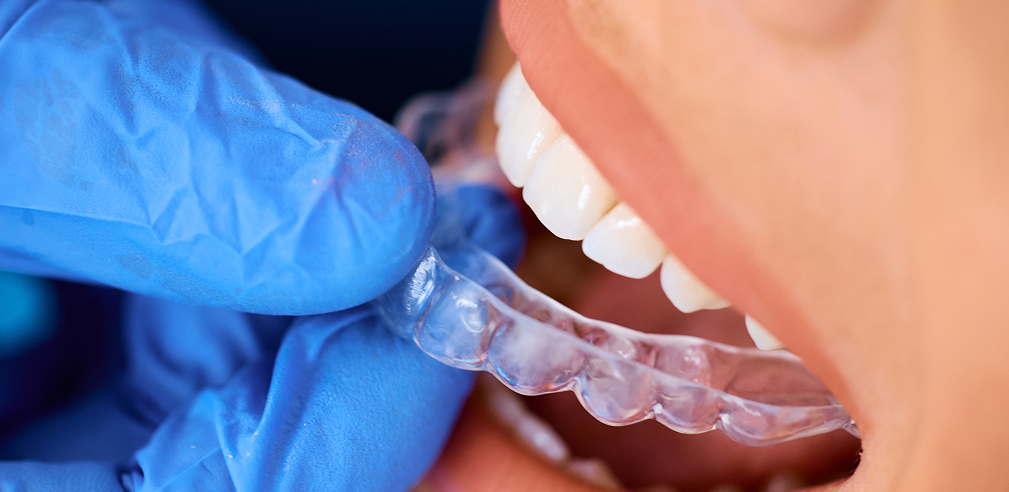
ALF appliances are also discreet and comfortable, making them well-suited for children and adults seeking a less invasive, more holistic path to alignment.
While both ALF and braces can improve dental aesthetics, their philosophies couldn’t be more different. Braces straighten teeth. ALF supports total-body balance. It starts in the
mouth, but its wider impact can be seen in posture, breathing and long-term wellbeing. For those seeking not just a better smile but better health, ALF may offer a more functional and future-focused alternative to traditional braces.