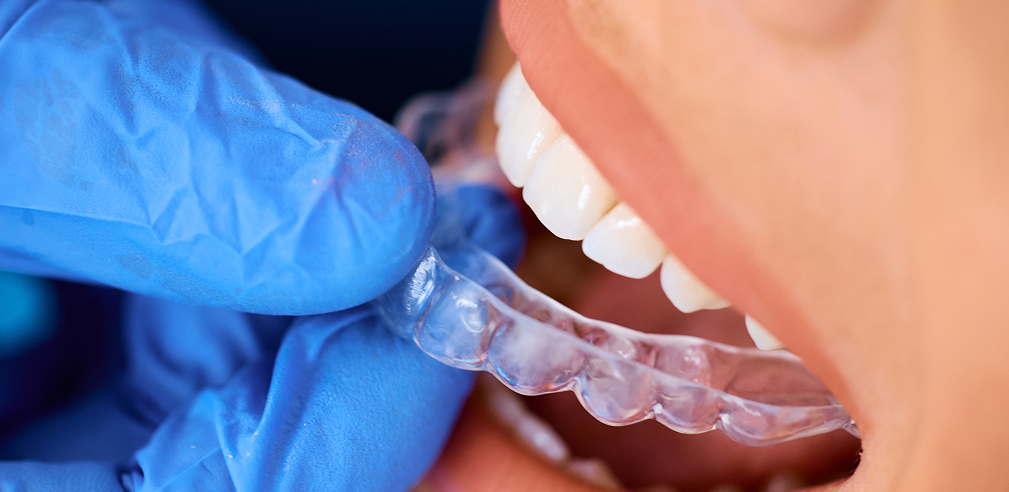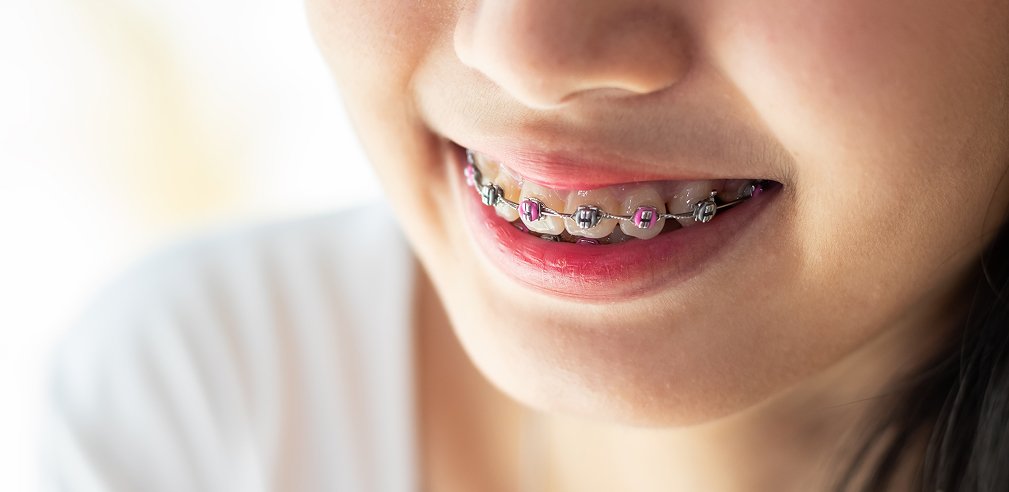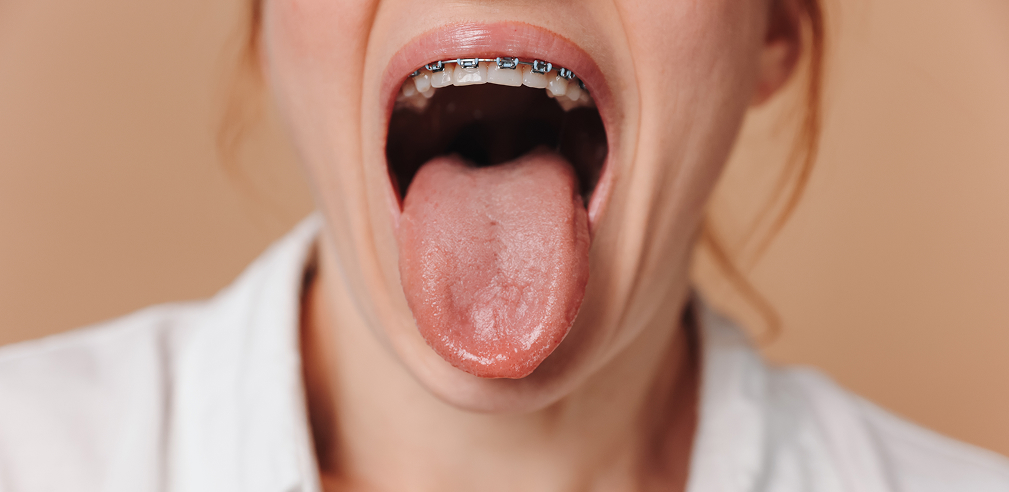
Myofunctional therapy is one of the most overlooked parts of orthodontic care, yet it is often the key to long-term treatment success. Braces and aligners can move teeth into better positions, but they cannot correct the muscle habits that caused those teeth to shift in the first place. If those habits stay the same, the teeth tend to drift back.
This is why myofunctional therapy is so important: It trains the tongue, lips, and facial muscles to work the way they were meant to.
Many orthodontic problems are rooted in how we breathe, swallow and rest our tongue. A chronic mouth-breathing pattern, low tongue posture or incorrect swallow can change the shape of the palate and jaw over time. These issues also narrow the airway and make sleep and focus harder for children.
Myofunctional therapy targets these root causes by teaching proper nasal breathing, tongue placement and muscle balance, guiding facial growth in a healthier direction. This approach supports orthodontic treatment in two important ways:
- It makes active treatment more efficient. When the tongue rests on the roof of the mouth and the lips seal easily, teeth respond to orthodontic forces more predictably. Arch development becomes more natural, and the airway benefits as well.
- It protects the results. When children develop correct oral habits, they are far less likely to relapse after braces or aligners come off. Retainers still matter, but the muscles become partners instead of obstacles.
Myofunctional therapy fits perfectly within a holistic model of care. At Glossodontics®, orthodontics is about more than straight teeth. It is about breathing, craniofacial growth and long-term wellness.
By pairing orthodontic treatment with targeted myofunctional exercises, children get results that look better, feel better and last longer. It is one of the simplest ways to make sure a beautiful smile stays that way for life.