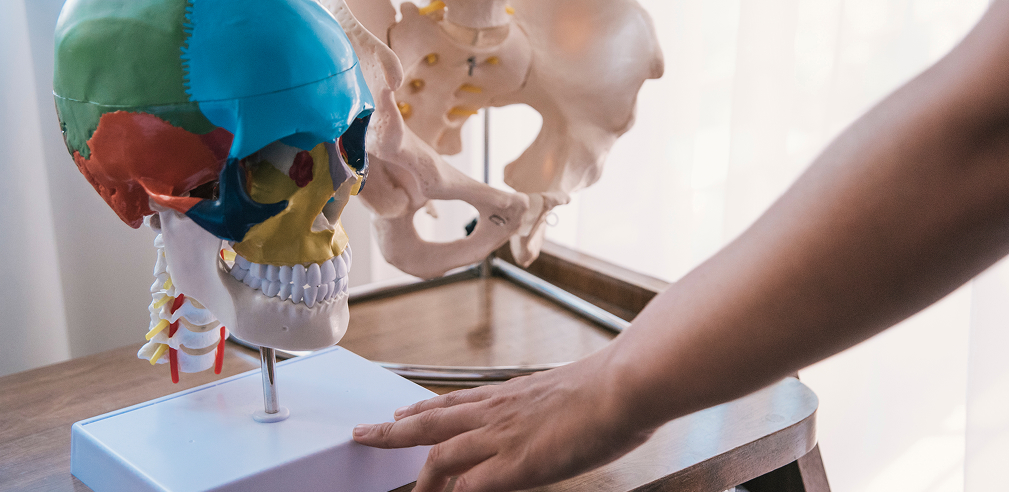
Cranial strain patterns are an often overlooked factor in dental alignment, jaw balance and overall health. Even though the skull seems like a solid shell, it’s actually made of several bones that work together in a gentle rhythm to support breathing, swallowing and healthy facial function.
When that rhythm becomes strained or uneven, it can influence how the jaws grow and how the teeth fit.
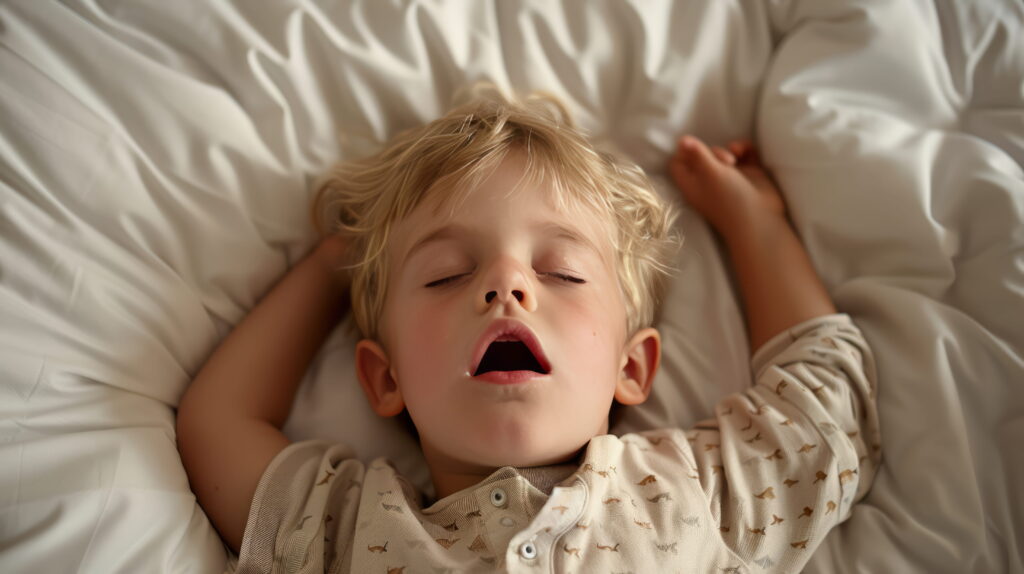
A “cranial strain pattern” means the head is carrying tension or imbalance in a way that shifts normal movement. This can develop from birth pressure, long-term mouth-breathing, tongue-tie, poor posture, injuries or chronic muscle tightness. When strain affects the upper part of the jaw, the arch may become narrow or uneven, reducing space for the teeth and making nasal breathing harder.
When strain affects the areas around the ears, it can change how the lower jaw opens and closes, leading to crossbites, clenching, clicking or general jaw fatigue. These shifts also influence the airway and the nervous system, which is why some people experience headaches, facial tightness or difficulty keeping good posture.
Addressing these patterns has benefits that go far beyond the bite. Releasing cranial tension can help improve nasal breathing, reduce facial strain and support better muscle coordination through the face and neck.
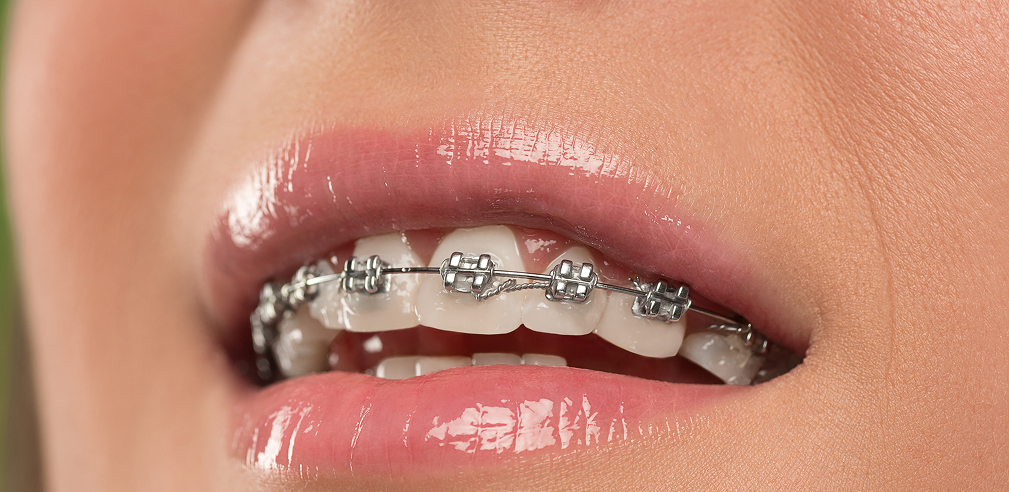
It also provides a stronger foundation for orthodontic treatment. When the head and jaw system are in balance, teeth move more predictably and treatment tends to stay stable over time. Trying to expand the palate or correct the bite while the cranial system is locked in tension can slow progress and limit results.
At Glossodontics®, cranial assessment is part of our broader functional approach. Teeth are influenced by breathing, muscle patterns, posture and the subtle movements of the skull. By identifying and correcting strain patterns, we focus on the true sources of misalignment instead of only shifting the teeth. This leads to outcomes that feel more comfortable, work better and remain more stable over time.