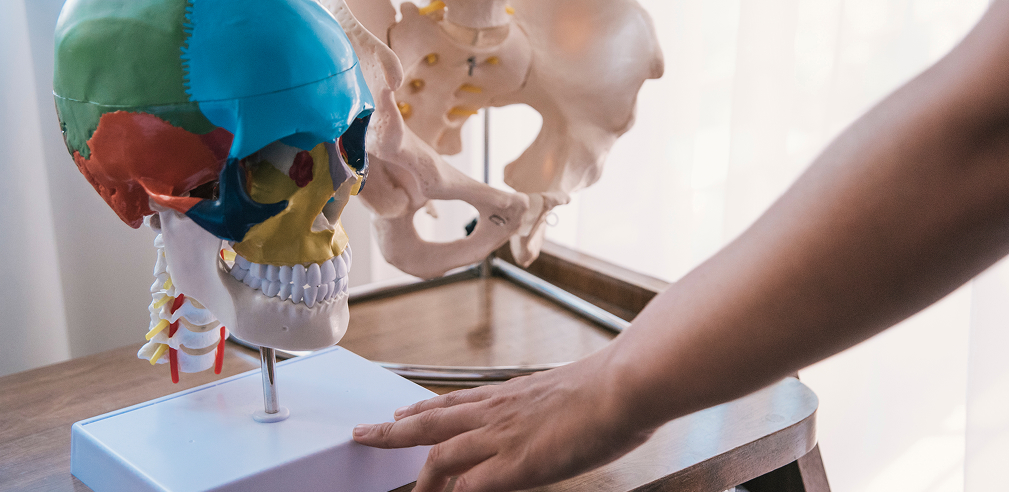
The temporomandibular joint (TMJ) is one of the most complex joints in the body. It allows the jaw to open, close and move side to side, making everyday activities like speaking and chewing possible. When this joint is strained or misaligned, it can cause temporomandibular joint disorder — a condition linked to jaw pain, headaches, clicking sounds and even neck and shoulder discomfort.
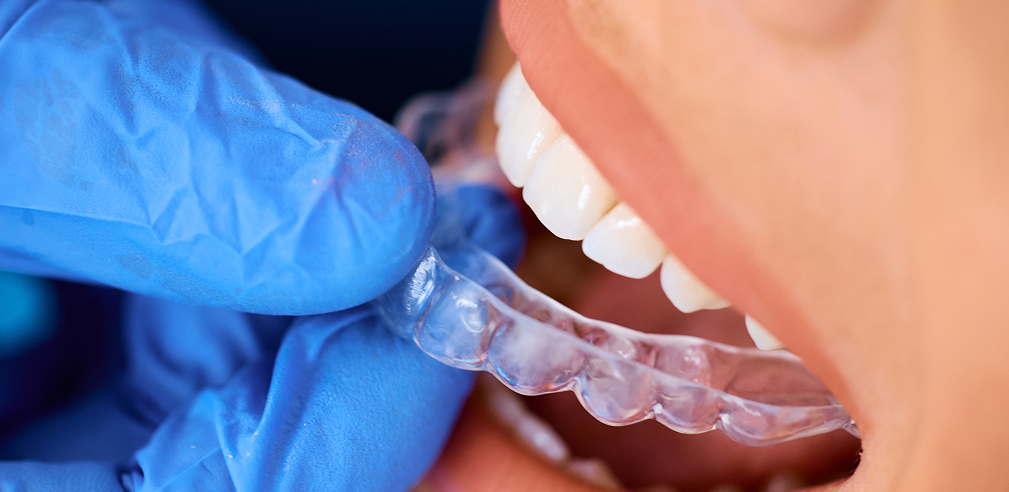
Functional appliances are sometimes used as part of a comprehensive treatment plan for TMJ disorder. Unlike devices that simply protect the teeth from grinding, functional appliances are designed to influence how the jaw sits and moves. By gently repositioning the lower jaw, they can help reduce strain on the joint and surrounding muscles.
Studies have shown that functional appliances can improve symptoms such as joint pain, limited movement and muscle tension in some patients with TMJ disorder. These appliances work by guiding the mandible into a more balanced position, encouraging the muscles and joint structures to adapt over time. For growing patients, this may also support more harmonious development of the jaws and bite, which can reduce stress on the TMJ in the long term.
It is important to note that TMJ disorder is often caused by multiple factors, including stress, posture and grinding. For that reason, functional appliances are typically combined with other strategies such as physiotherapy, stress management or bite adjustments. The goal is not just to relieve immediate pain but to create long-term balance in the way the jaw functions.
At Glossodontics, we see functional appliances as one of many tools for treating TMJ disorders. When carefully selected and monitored, they can provide relief, improve jaw stability and help patients regain comfort in everyday life.